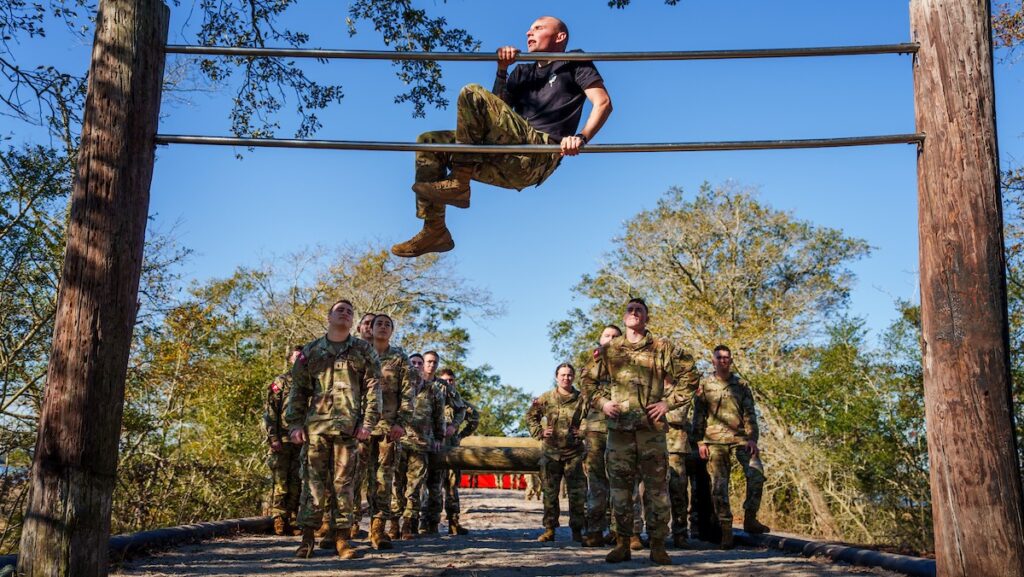
“Be All You Can Be.” Many will recognize this phrase immediately — it’s a famous Army slogan. In The Citadel’s Army ROTC program, known as Palmetto Battalion, cadets participating in the CAIT program take this a step further.
The CAIT, or Cadet Advanced Individual Training, program affords highly qualified and motivated cadets an opportunity to attend some of the Army’s specialty schools during the summer, and through this The Citadel’s Army ROTC department is producing a high number of cadets who are being accepted into these special courses.
Cadet Alexis Van Brocklin, a senior who is the CAIT company commander, said this program is what she’s most proud of from her time at The Citadel.
“When CAIT became a company within Army, we started to be able to do this really great thing where we look at the person as a whole; it’s not just a physical event anymore. We have GPA consideration and standing in the Corps of Cadets matters as well. I get to know these cadets really well, and we evaluate their personalities — who you are as a man or woman, who you are under stress,” said Van Brocklin.
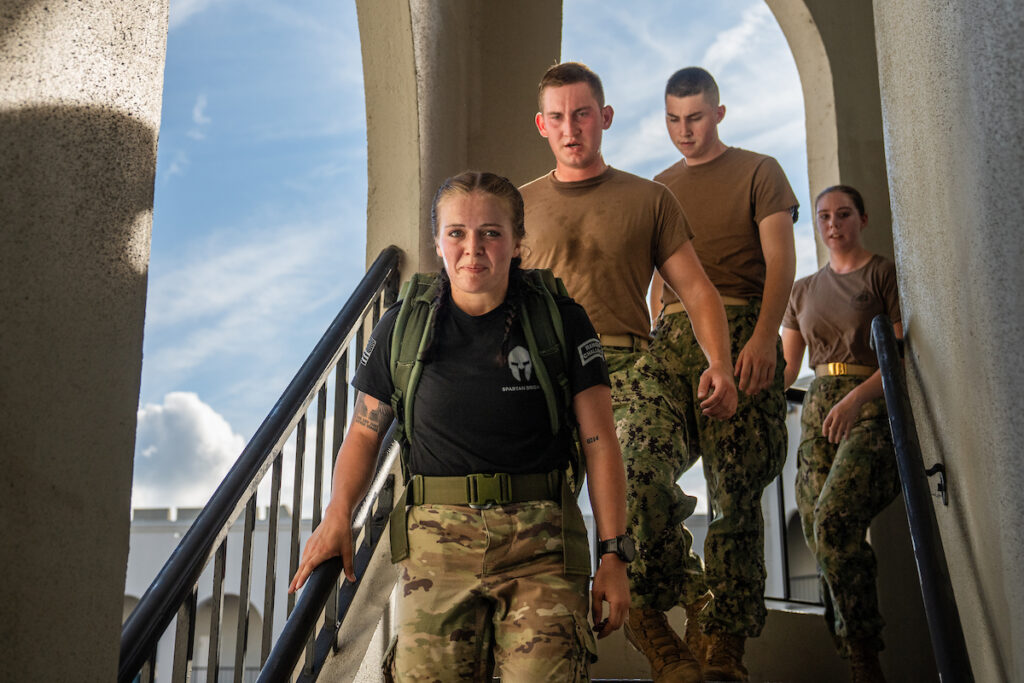
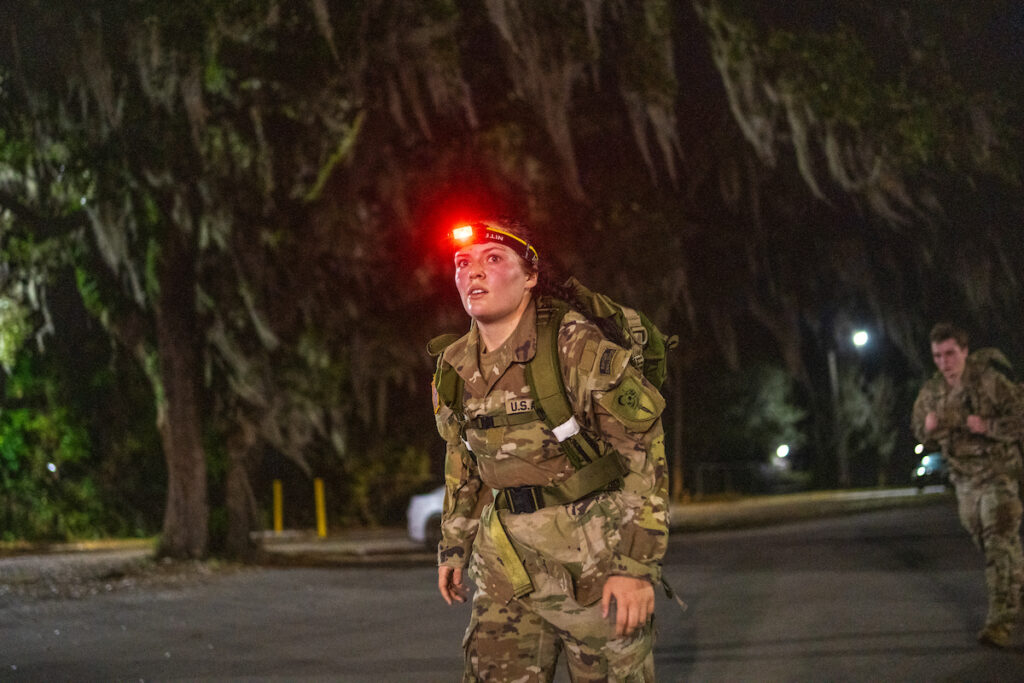
As the senior leading it, she speaks with every cadet interested in the CAIT program and screens them herself. She plans training, physical training sessions and works Army school slots for them. Van Brocklin will tell you, without hesitation, that some of the cadets she leads are already smarter than her. Coming from one of the first female infantry officers to come out of The Citadel, that’s not self-deprecation. It’s the point.
Van Brocklin’s path to this role was anything but straightforward. Originally from Washington State, she arrived at The Citadel on a four-year ROTC scholarship, having known almost nothing about the fourth-class system. Sophomore year, she took a 30-foot fall and crushed a vertebra — sidelining her from the CAIT program for more than a year. Rather than let her go, the CAIT cadre invested in her recovery.
“That cadre put so much time into me and helping me get better and keeping me with this program,” said Van Brocklin. “If I can have half as much impact on one of the cadets in CAIT as I was given, goal accomplished.”
That sense of investment is exactly what Van Brocklin has tried to replicate as commander. She PTs alongside her cadets and advocates relentlessly to secure school slots — a back-and-forth process that requires patience and persistence. This spring, she’s planning an event to reveal which school each cadet earned, with their placement going up on a big screen for the full company to see.
Van Brocklin knows these schools firsthand. She attended CTLT in Germany — an experience that confirmed her path as an infantry officer. SERE, which stands for Survival, Evasion, Resistance and Escape, didn’t go as planned; she was pulled from the field and hospitalized mid-course. Soon, she heads to Civil Affairs Assessment and Selection, where she’ll compete as, likely, the only cadet in the class.
“I have around 50 to 55 cadets that I get to send off to summer training. They are putting in the time — we PT three times a week, I PT them at lab. It is tough,” said Van Brocklin. “Success isn’t even getting a school. It’s you versus you. Are you better than you were yesterday?”
For Cadet Colin White, that question found its answer in the woods of North Carolina.
White participated in Robin Sage, the final culminating exercise of the Army’s Special Forces Qualification Course. He role-played as a guerrilla fighter alongside Special Forces candidates who were just days away from earning their Green Berets. For two weeks, he slept in the woods and carried out simulated, unconventional warfare missions throughout rural North Carolina — missions that could fail a Green Beret candidate if things went wrong.
“You can’t get that experience anywhere else. Even the people I did the program with — other cadets from other colleges — I still keep in touch with them,” said White.
White also pointed out something cadets who aren’t in CAIT often miss out on: the confidence.
“They taught us how to target infrastructure, how to use explosives and how to use untraditional weapons systems. You get real, hands-on training that you would just not get anywhere else. At Robin Sage, I volunteered to give sections of the briefings, so I got the opportunity to speak to retired Special Forces people, future Special Forces people, my peers. That ability to step up and take responsibility, it translates directly to what we do here in the Corps,” said White.
For Cadet Will Coppel, the CAIT program offered something different — a chance to become the kind of leader who understands what it means to be pushed past your breaking point.
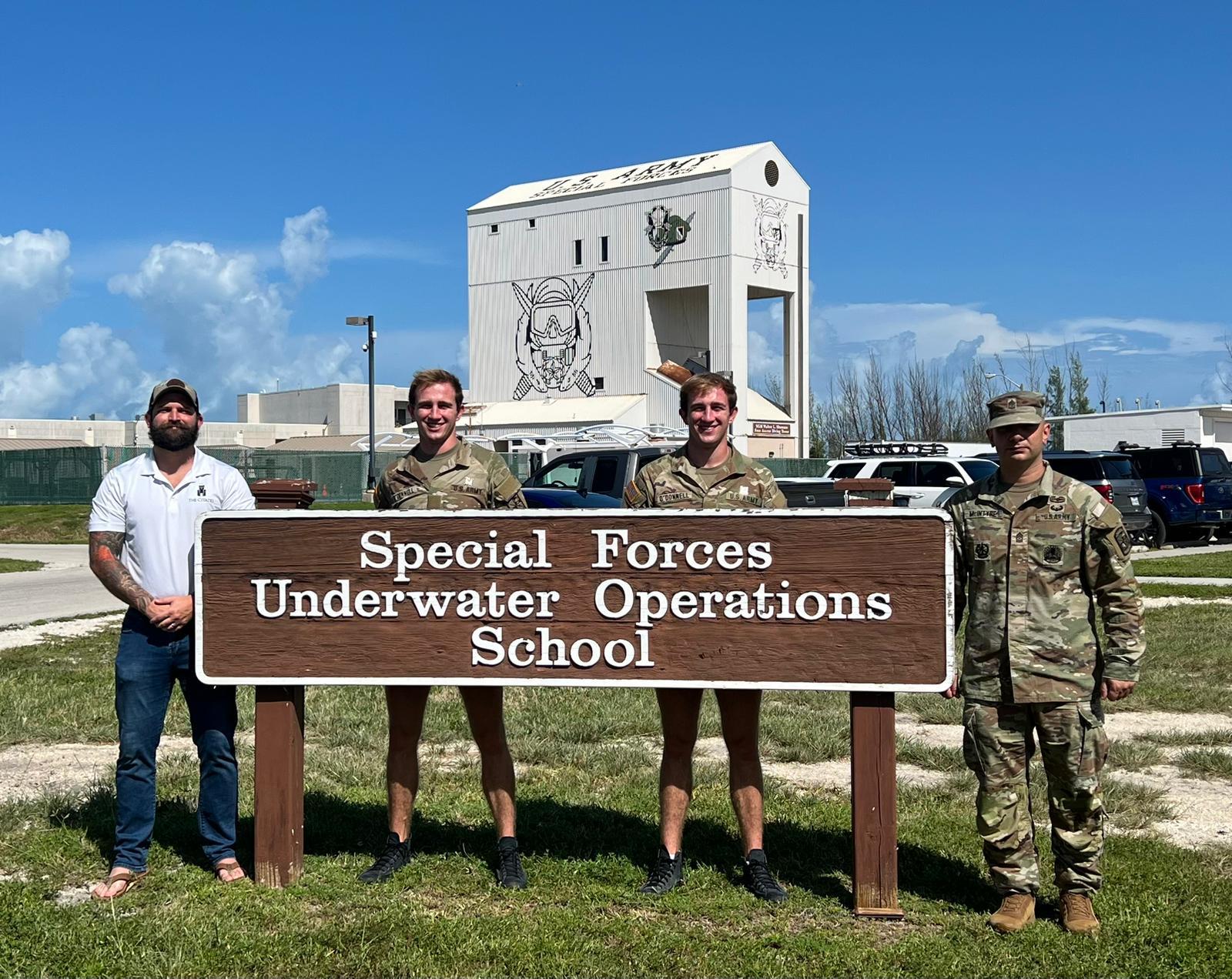
A Secondary Education major with his sights set on Special Forces, Coppel has attended Maritime Assessment Course — the grueling pre-dive prerequisite — as well as Robin Sage and SERE School. SERE Level C, the course Coppel attended at Fort Bragg over winter break, is the highest level of the program and is normally reserved for Special Operations personnel. He and three teammates from the Ranger Challenge team were among the few cadets granted slots.
“It’s the only failure-based school in the Army. There’s no valedictorian or honor graduate because if you passed every test with flying colors, you’d never understand how to adapt when you fail in that situation. The experience of being told you’re going to fail and then told, ‘Now, what are you going to do about it?’ and enduring that changed how I view leadership and empathy. I think it’s more valuable than any other training experience I’ve gotten from the Army,” said Coppel.
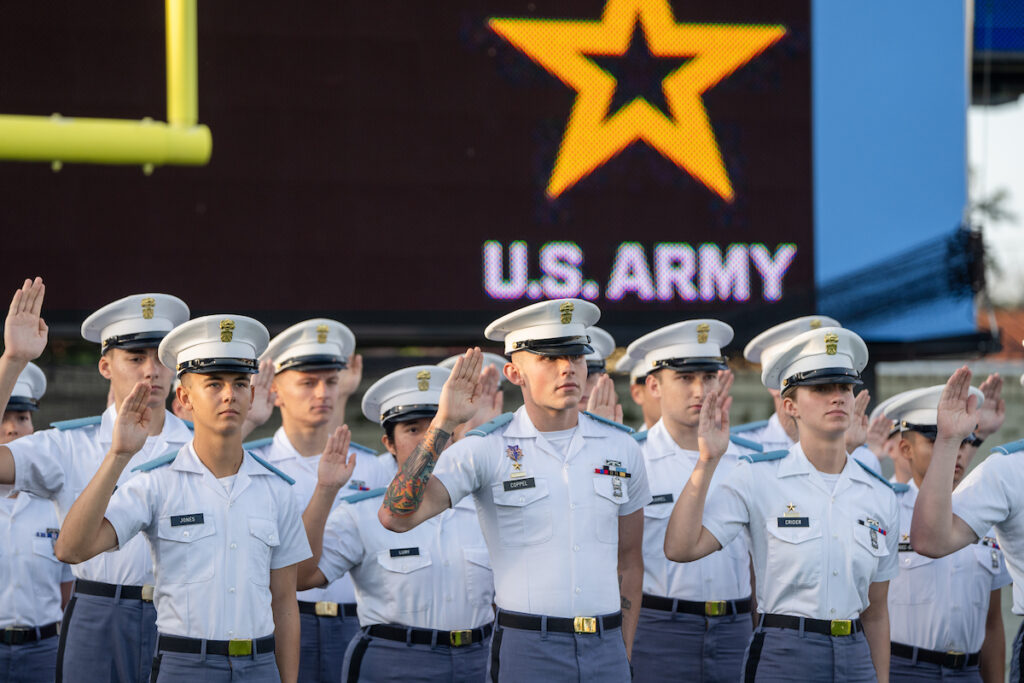
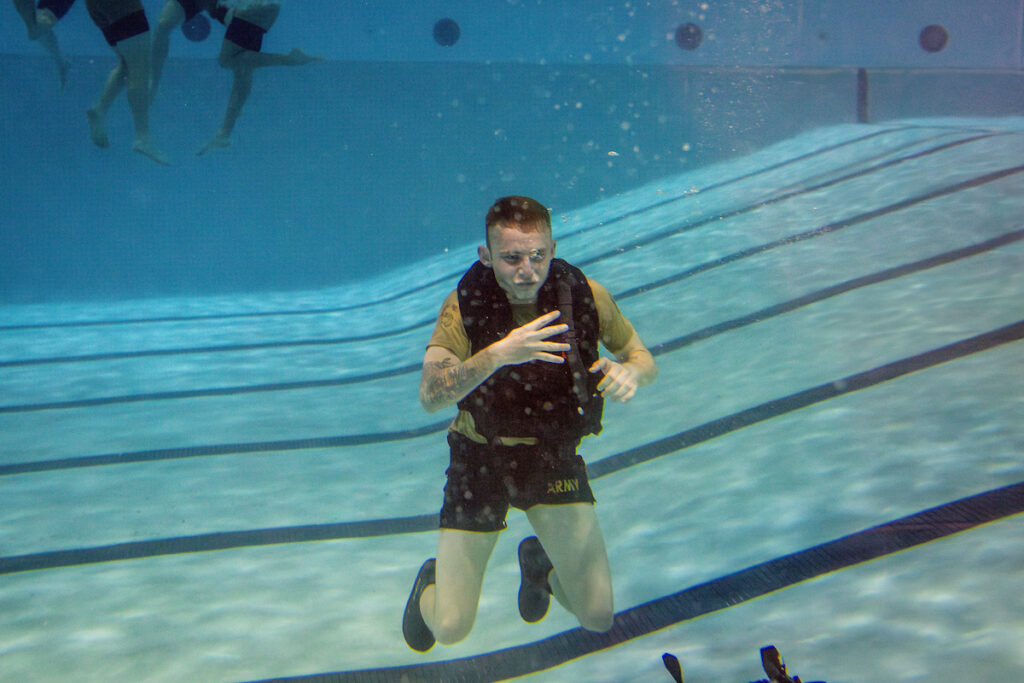
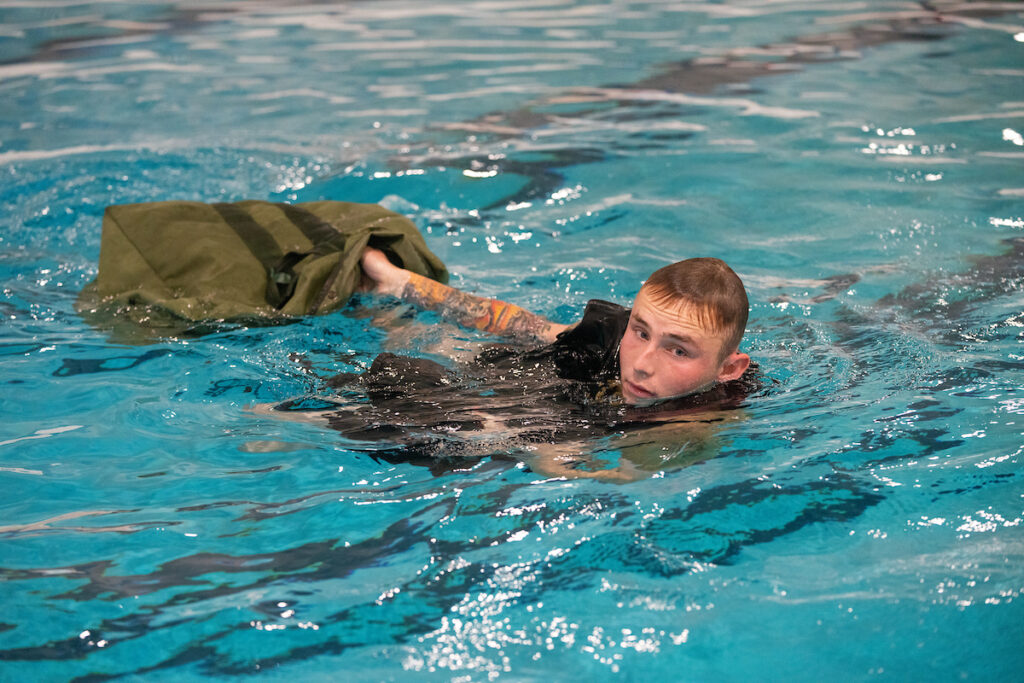
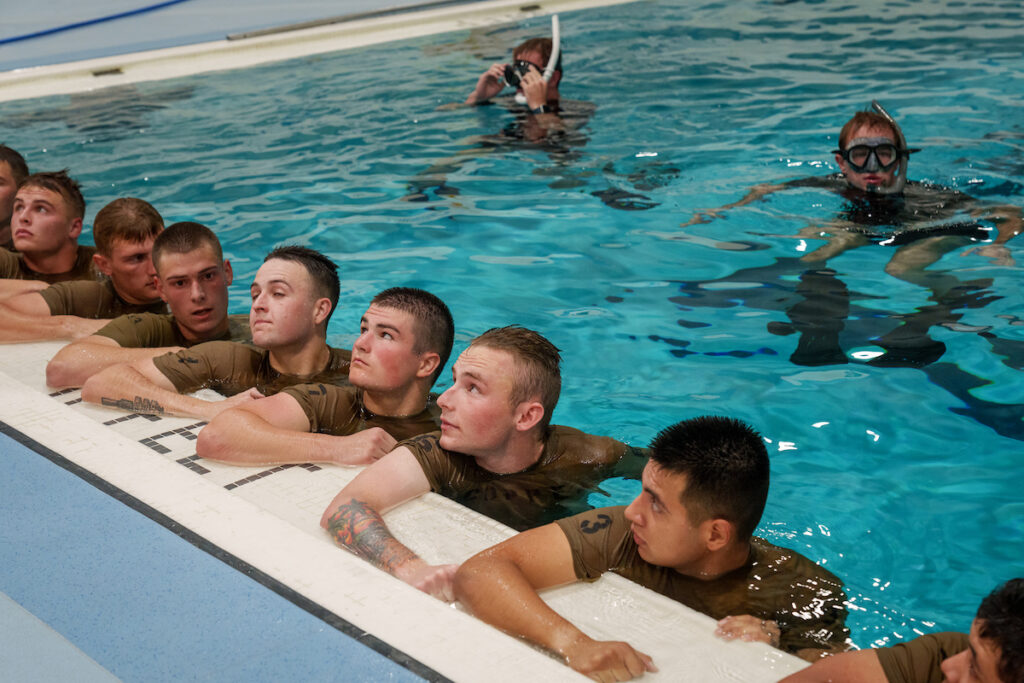
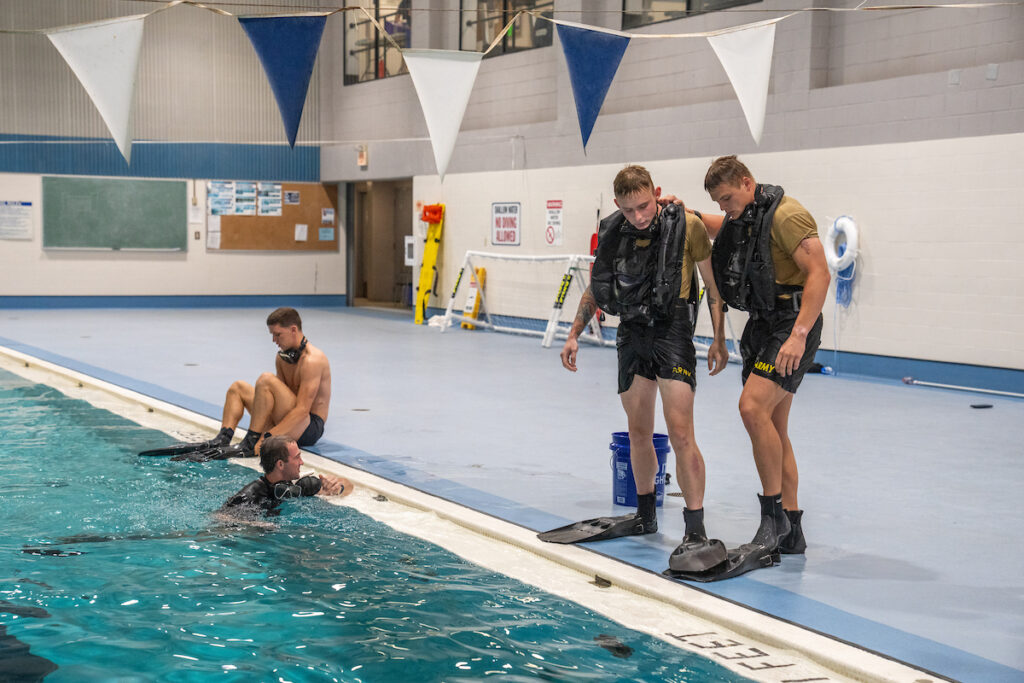
That shift in perspective, Coppel said, carried directly into his role at The Citadel. The mental and emotional discipline he built — through breath-holding exercises, meditation and learning to push past the body’s most primal instincts — showed up in how he handles the daily pressures of cadet life, how he mentors younger cadets and how he plans to lead as a commissioned officer.
“This kind of training isn’t just physical. It’s holistic; mental, emotional, physical, academic. People don’t realize that. We’ve had people fail certain schools over academic requirements, not physical ones. You could be the biggest physical animal out there, but if you don’t have the technical understanding, you won’t survive,” said Coppel.
That depth is what separates CAIT from a standard fitness challenge — and what Van Brocklin believes makes it uniquely valuable at The Citadel specifically.
“My CAIT cadets are amazing in the Corps, and they wanted something more from Army. They wanted to be pushed at PT, they wanted to challenge themselves. And they’re not competing with just other cadets at these trainings — they’re competing with and sometimes against officers and enlisted soldiers. It’s a preemptive look at the Army: who am I in a leadership role?” said Van Brocklin. “The quote is, ‘Be all you can be.’ Well, these cadets really want to do that.”
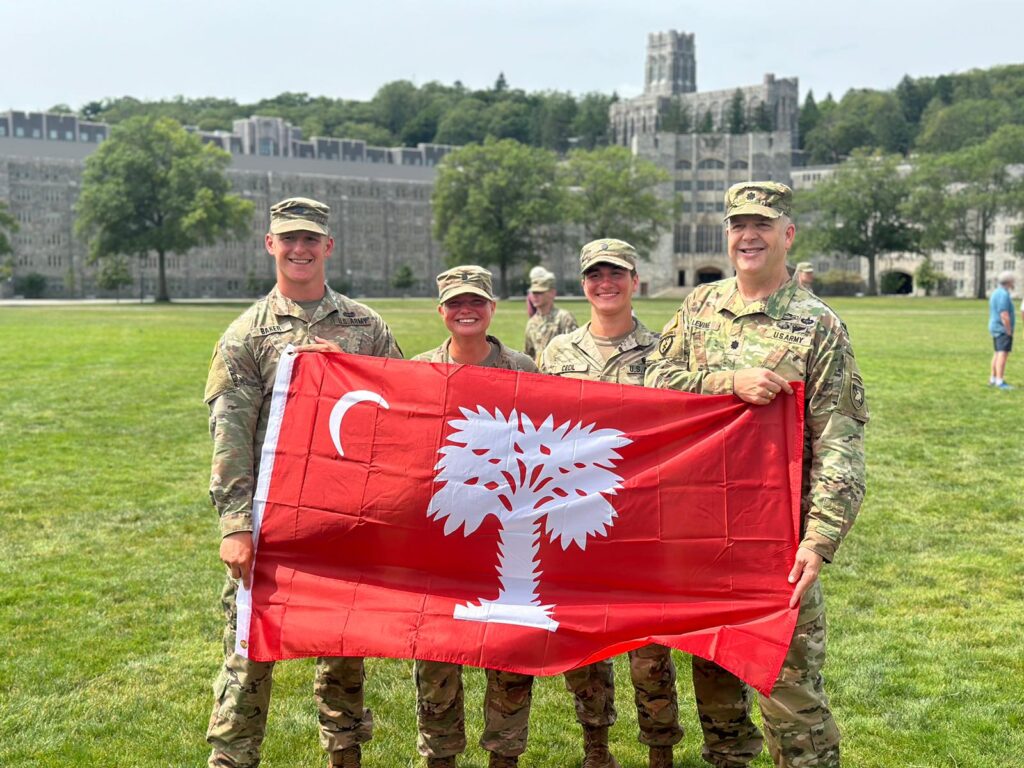
The CAIT program includes training at Army Schools and special courses for Airborne, Air Assault, Basic Mountaineering, Mountain Planner, Sapper, Master Fitness, Jungle Operations and Cold Weather Operations Course, Cadet Field Training at USMA, Sandhurst Competition, SF Combat Diver Qualification Course.
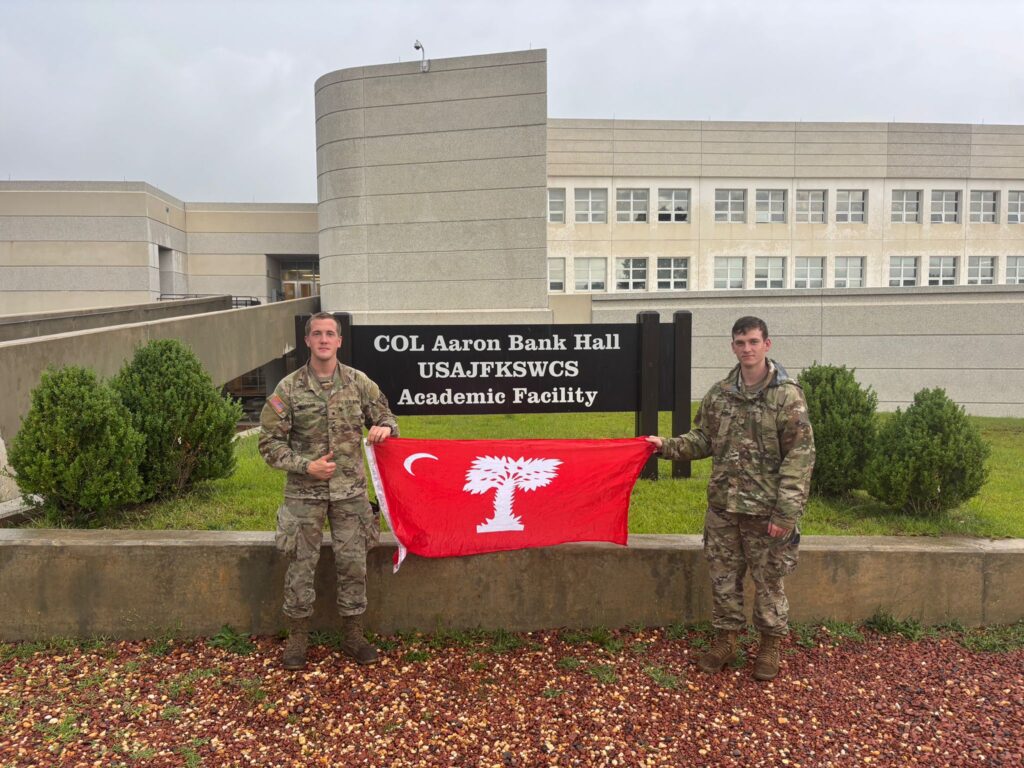
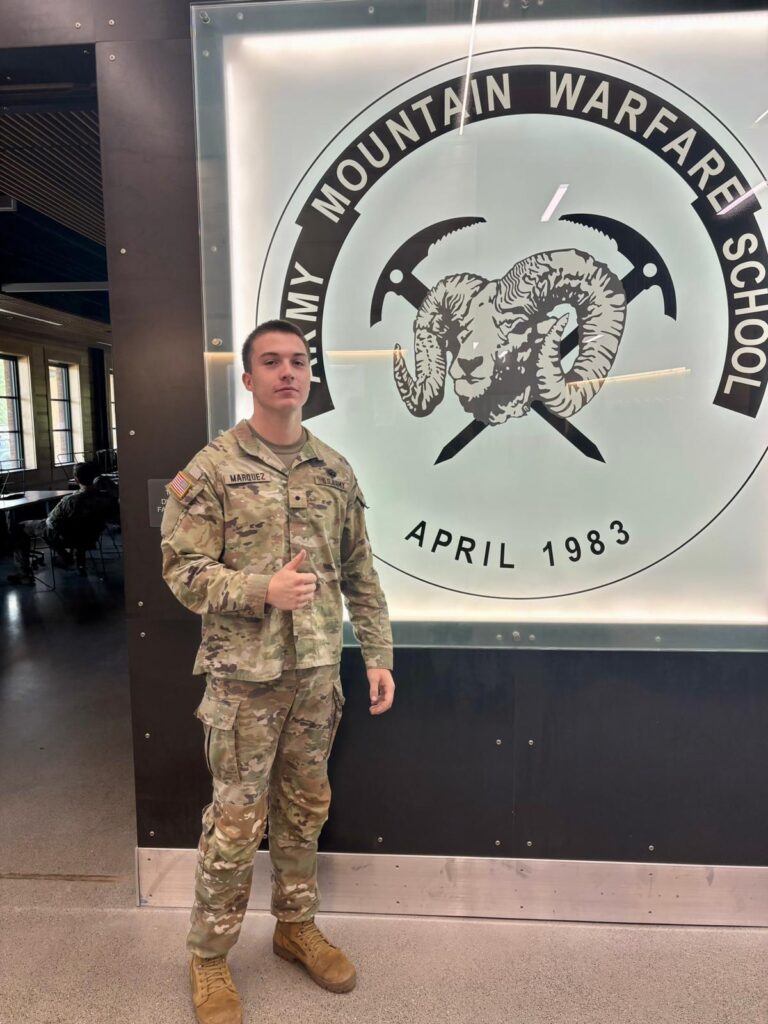
The school slot ceremony can’t come fast enough for Van Brocklin. But she’s quick to note that the school itself was never really the point.
“I have cadets who I know aren’t going to schools, and that’s okay. I’m not going to drop them from the program. I’m going to keep them in it because they’re hungry. They want to improve every single day. That intrinsic motivation, that doesn’t come from people seeing you or getting immediate gratification. It’s asking yourself, are you being all you can be? And I think that’s what success looks like,” said Van Brocklin.
Van Brocklin lives by a phrase someone told her during her own recovery from injury: if you’re capable, you’re obligated. For every cadet who shows up to CAIT — sore, exhausted and choosing not to quit — that’s exactly what they’re proving.
 Gen. Frank McKenzie selected as 21st president of The Citadel
 The Citadel announces Commencement speakers for the Class of 2026
 Meet the South Carolina Corps of Cadets leadership for 2026-27